Pava Hat: History, Meaning, and How to Wear It with Style
The
<a href="https://pavastrawhat.com/">Pava hats</a> is more than just a piece of headwear. For many Puerto Ricans and Caribbean communities, it is a powerful symbol of identity, tradition, and national pride. Whether you saw it in a festival, in old photos of jíbaros (Puerto Rican rural farmers), or on social media during cultural events, the pava hat carries a rich story worth knowing.
In this guide, you’ll learn what a pava hat is, its history and cultural meaning, how it’s made, and how to wear and care for one today.
## What Is a Pava Hat?
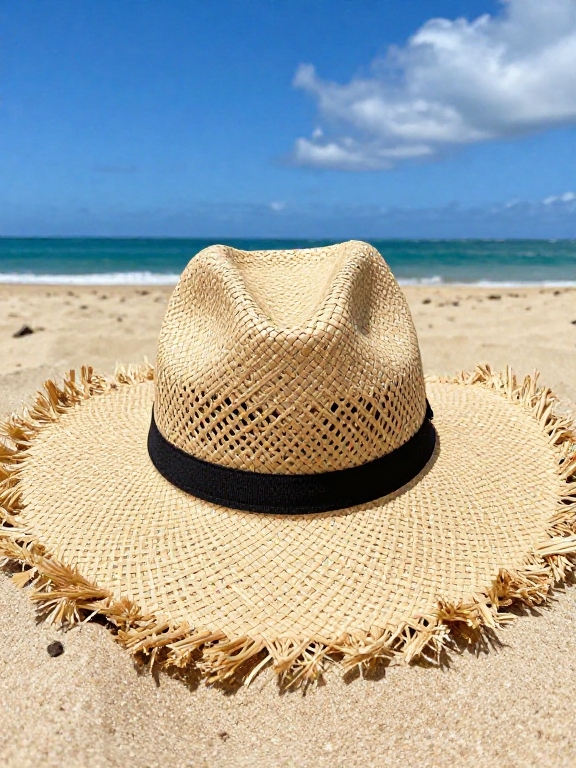
A pava hat is a traditional straw hat from Puerto Rico, historically worn by jíbaros—rural farmers and laborers from the island’s countryside.
Key features of a pava hat:
- Made from palm or straw (often palm fiber)
- Wide brim for sun protection
- Lightweight and breathable
- Simple, rustic design
Because of its deep ties to jíbaro culture, the pava hat has become a visual shorthand for Puerto Rican heritage and patriotism.
---
## History of the <a href="https://pavastrawhat.com/shop/">Pava hats,Buy Shop!</a>
### Roots in Jíbaro Culture
The pava hat dates back to Puerto Rico’s agrarian past. Jíbaros worked long hours under a hot tropical sun, so they needed practical protection. The solution was a broad-brimmed hat woven from local palm leaves—sturdy, inexpensive, and effective.
Over time, the pava hat became strongly identified with the jíbaro’s values:
- Hard work
- Humility
- Close connection to the land
- Simplicity and resilience
### From Farm Wear to National Symbol
In the 20th century, artists, musicians, writers, and political leaders began using the image of the jíbaro in songs, poems, paintings, and posters. The pava hat often appeared in these images.
As Puerto Ricans migrated abroad, especially to the U.S., the pava hat started to symbolize:
- Puerto Rican identity
- Nostalgia for the island
- Pride in working-class roots
Today, you’ll see pava hats at:
- Puerto Rican Day parades
- Cultural festivals and folkloric dances
- Political rallies and independence/heritage events
- School events celebrating Puerto Rican culture
---
## How Pava Hats Are Made
Traditional pava hats are handmade using natural materials.
Typical steps:
1. **Selecting palm leaves** – Fresh, flexible leaves from local palms are chosen.
2. **Drying and prepping** – The leaves are dried, cleaned, and sometimes split into finer strips.
3. **Weaving the crown** – The top part (crown) is woven first, with overlapping palm strips.
4. **Forming the brim** – The brim is woven outward from the crown, creating a wide circle.
5. **Shaping and finishing** – The hat is shaped by hand, edges are trimmed, and rough ends are tucked or stitched.
Each artisan has a slightly different style, so no two traditional pava hats are exactly alike. Some modern versions are machine-made, but many people still prefer handcrafted hats for authenticity and quality.
---
## Cultural Meaning of the Pava Hat Today
The pava hat carries strong emotional and cultural weight, especially within the Puerto Rican community.
It can represent:
- **National pride** – A way to show love for Puerto Rico at public events.
- **Respect for ancestors** – Honoring grandparents or great-grandparents who worked the land.
- **Resistance and resilience** – A reminder of the strength of rural and working-class people.
- **Cultural continuity** – Passing traditions to younger generations.
Because of these layers of meaning, many Puerto Ricans treat the pava hat not just as a fashion item, but as a cultural emblem.
<a href="https://pavastrawhat.com/blog/">Read this article</a><br>
<a href="https://pavastrawhat.com/blog/">Pava hats Recent articles</a><br>
<a href="https://pavastrawhat.com/contact/">Contact us</a><br>
## When and How to Wear a Pava Hat
You don’t need to be a farmer to wear a pava hat today. It can be both a cultural and stylish accessory.
### Popular Occasions
People often wear pava hats during:
- Puerto Rican Day parades (New York, Chicago, and other cities)
- Fiestas patronales and community festivals
- School cultural days and heritage month activities
- Bomba and plena performances, and other traditional music events
- Photo shoots, theater, and cultural storytelling
### Style Tips
To wear a pava hat respectfully and stylishly:
1. **Pair it with casual, breathable clothing**
- Lightweight shirts or guayaberas
- Simple cotton dresses or skirts
- Jeans or linen pants
2. **Keep the look natural and relaxed**
The pava is rustic and handmade, so it works best with unfussy, natural styles.
3. **Use as a statement piece**
Because it has cultural significance, it can be the main highlight of your outfit. Avoid mixing it with costumes or stereotypes that might feel disrespectful.
4. **Consider context**
If you are not Puerto Rican, wear it in a spirit of appreciation. When possible, learn and acknowledge its cultural meaning rather than treating it as a random prop.
---
## How to Choose a Quality Pava Hat
If you’re looking to buy a pava hat, pay attention to:
1. **Material**
- Natural palm fibers or straw feel breathable and lightweight.
- Avoid cheap plastic “straw” if you want an authentic look and feel.
2. **Weave and craftsmanship**
- Even, tight weaving increases durability.
- Check that there are no major gaps or loose ends.
3. **Comfort and fit**
- It should sit snugly but not tight on your head.
- A hat that’s too loose may blow off easily; too tight will be uncomfortable.
4. **Source**
- When possible, buy from Puerto Rican artisans or fair-trade shops.
- This supports local craftspeople and helps keep the tradition alive.
---
## Caring for a Pava Hat
A well-cared-for pava hat can last for many years.
Basic care tips:
- **Keep it dry** – Avoid soaking; if it gets wet, let it air dry away from direct heat.
- **Store it properly** – Store in a cool, dry place; avoid stacking heavy items on top.
- **Handle with clean hands** – Oils and dirt from your hands can darken the straw over time.
- **Clean gently** – Dust with a soft brush or dry cloth. For small stains, use a slightly damp cloth and let it dry completely.
---
## Where to Buy a Pava Hat
You can find pava hats in several places:
- **Local shops in Puerto Rico** – Especially in tourist towns, artisan markets, and cultural centers.
- **Cultural and Latin markets abroad** – Shops specializing in Caribbean or Latin American goods.
- **Online stores** – Search for “pava hat Puerto Rico” and look for vendors that mention handmade or artisan-crafted products.
- **Festivals and parades** – Street vendors often sell pava hats during major Puerto Rican celebrations.
Whenever possible, choose sellers who clearly state that their hats are made in Puerto Rico or sourced from local artisans.
---
## Pava Hat vs. Other Straw Hats
Not all straw hats are pava hats. Here’s how the pava stands out:
- **Origin**: Strongly linked to Puerto Rico and jíbaro culture
- **Shape**: Simple, round, practical; usually without elaborate decoration
- **Symbolism**: Represents national and cultural identity, not just sun protection
By contrast, other straw hats like Panama hats, cowboy hats, or generic beach hats have different origins, weaving styles, and cultural meanings.
---
## Why the Pava Hat Still Matters
In a world of fast fashion and mass-produced accessories, the pava hat stands as a reminder of:
- Handcrafted traditions
- The dignity of rural life
- The importance of cultural memory
https://md.chaospott.de/s/oM4ZaRmE0a
For Puerto Ricans and those who love Puerto Rican culture, wearing a pava hat is a way to carry history on your head—visible, proud, and unmistakably tied to the island’s story.
If you’re considering getting one, see it not just as a hat, but as a symbol of heritage and a conversation starter about Puerto Rico’s rich cultural roots.